Agriculture & Agribusiness

The Western Region of Ghana is strategically positioned to become a powerhouse in agriculture and agribusiness. With a combination of natural endowments, access to export infrastructure, and strong local demand, the region offers a compelling case for investment across the full agricultural value chain.

  • Abundant Arable Land and Favorable Agro-Ecology
    • The Western Region has over 700,000 hectares of fertile and underutilized agricultural land.
    • Soil types across the region support both rain-fed and irrigated agriculture.
    • The climate is tropical with two distinct rainy seasons, allowing for multiple cropping cycles.
    • Many lands are situated in low-conflict zones with strong traditional leadership willing to enter long-term lease agreements with investors.

    Investment Opportunities:
    • Commercial-scale farming estates
    • Public-private partnerships with district assemblies and landowners
    • Land mapping and digitization for investment security
  • Priority Crops with High Economic Returns
    The region supports the production of both staple and industrial crops, offering returns across local, regional, and export markets:
    Tree Crops:
    • Cocoa: Western Region is one of the top cocoa-producing areas in Ghana. There is room for investment in climate-resilient seedlings, farmer training, and cocoa fermentation centers.
    • Oil Palm: Suitable for palm oil, soap, and biodiesel production. Investors can engage in plantation development or processing facilities.
    • Rubber: Large plantations already exist, but processing capacity is limited. There’s demand for latex and tyre-grade rubber.
    Food Crops:
    • Cassava: Used for gari, flour, industrial starch, and alcohol. Cassava is in high demand for both food and beverages.
    • Maize and Rice: Essential staple foods with value in poultry feed and school feeding programs.
    Horticulture:
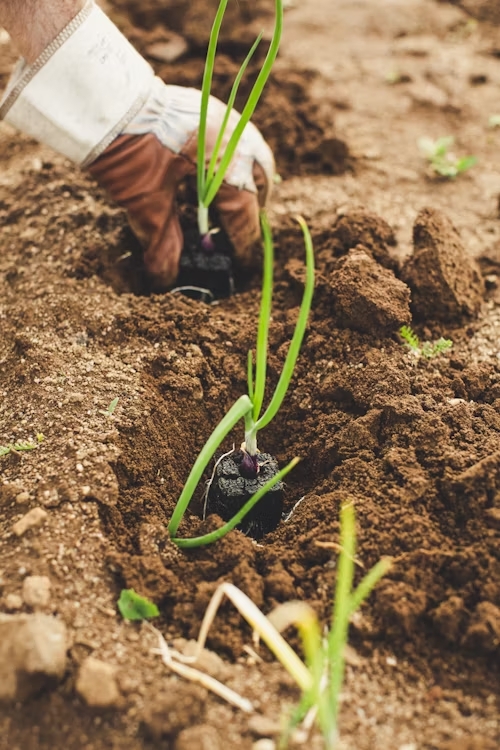
    • Year-round cultivation of vegetables such as tomatoes, peppers, okra, eggplants, and leafy greens. These are in high demand by hotels, restaurants, and urban markets in Takoradi and Accra.
    • Investment is needed in greenhouses, irrigation, and pest control services.
  • Agro-Processing & Value Addition
    Most raw produce leaves the region unprocessed, leading to value loss. There is a critical need for mid-scale and large-scale agro-processing ventures to
    • Reduce post-harvest losses (which can be as high as 40% for perishable crops)
    • Create jobs in rural areas, especially for youth and women
    • Enable branding, certification, and traceability for export markets
    Promising Sectors:
    • Cassava processing into flour, chips, ethanol, and starch
    • Coconut oil and by-products (charcoal, coir)
    • Fruit drying and juice production
    • Vegetable cleaning, grading, and packaging for supermarkets and export
  • Post-Harvest Infrastructure & Logistics
    Inadequate rural infrastructure hampers full utilization of the region’s agricultural capacity.
    • Irrigation infrastructure (drip, sprinkler, and solar-powered systems)
    • Coconut oil and by-products (charcoal, coir)
    • Cold chain systems: solar-powered cold rooms, mobile refrigerated vans
    • Warehouses and aggregation centers near farming communities
    • Agro-logistics platforms to connect smallholder farmers to urban markets and export corridors
    • Agro-logistics platforms to connect smallholder farmers to urban markets and export corridors
  • Local and Export Market Access
    Urban centers such as Sekondi-Takoradi, mining towns, and coastal communities have growing demand for fresh produce and packaged food.
    Export Access:
    • Takoradi Port provides a direct export gateway to Europe, Asia, and the Americas.
    • West African regional markets are accessible under ECOWAS and AfCFTA trade protocols.
    • Ghana’s Export Promotion Authority (GEPA) provides support for product certification, market entry, and trade fairs.
  • Supportive Ecosystem & Government Incentives
    The Government of Ghana supports agriculture through:
    • Tree Crop Development Authority (TCDA)
    • Ghana Incentive-Based Risk Sharing System for Agricultural Lending (GIRSAL)
    • District Assemblies in the region are open to joint ventures and land arrangements with private investors
    • Access to financing through Ghana EXIM Bank, Venture Capital Trust Fund, and selected commercial banks.
  • Youth and Women Engagement
    • Over 60% of the region’s population is under 35, providing a ready labor force for agribusiness.
    • There is high potential for impact investment targeting youth-led agribusiness startups and women’s cooperatives.
    • Support can be channeled through local groups, district assemblies, and farmer-based organizations (FBOs).

Why Invest in Agriculture in the Western Region?

  • Ready access to land and labor
  • Growing demand for food and agro-products
  • Gateway to domestic and international markets
  • Supportive policy and investment climate
  • Opportunities in farming, processing, infrastructure, and technology